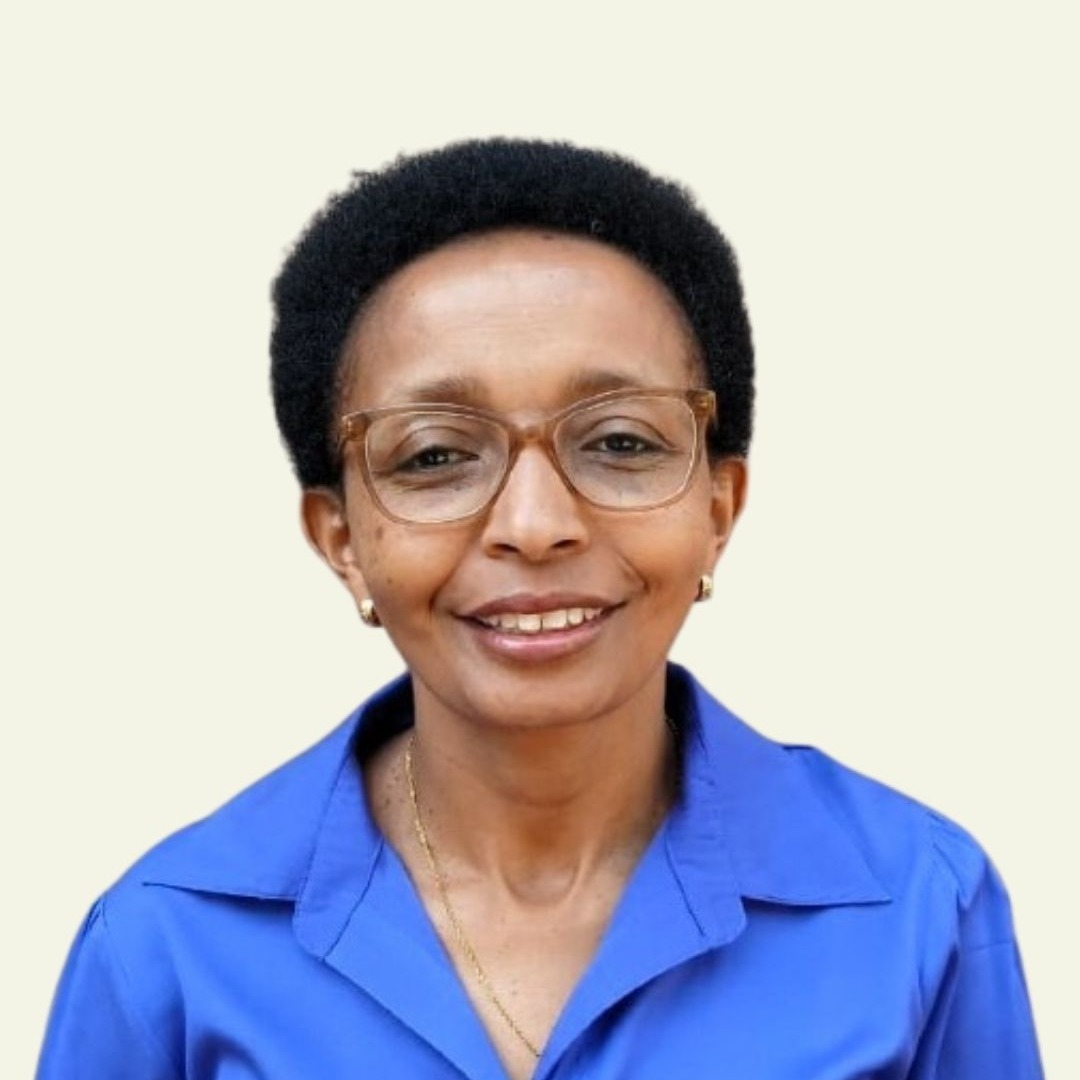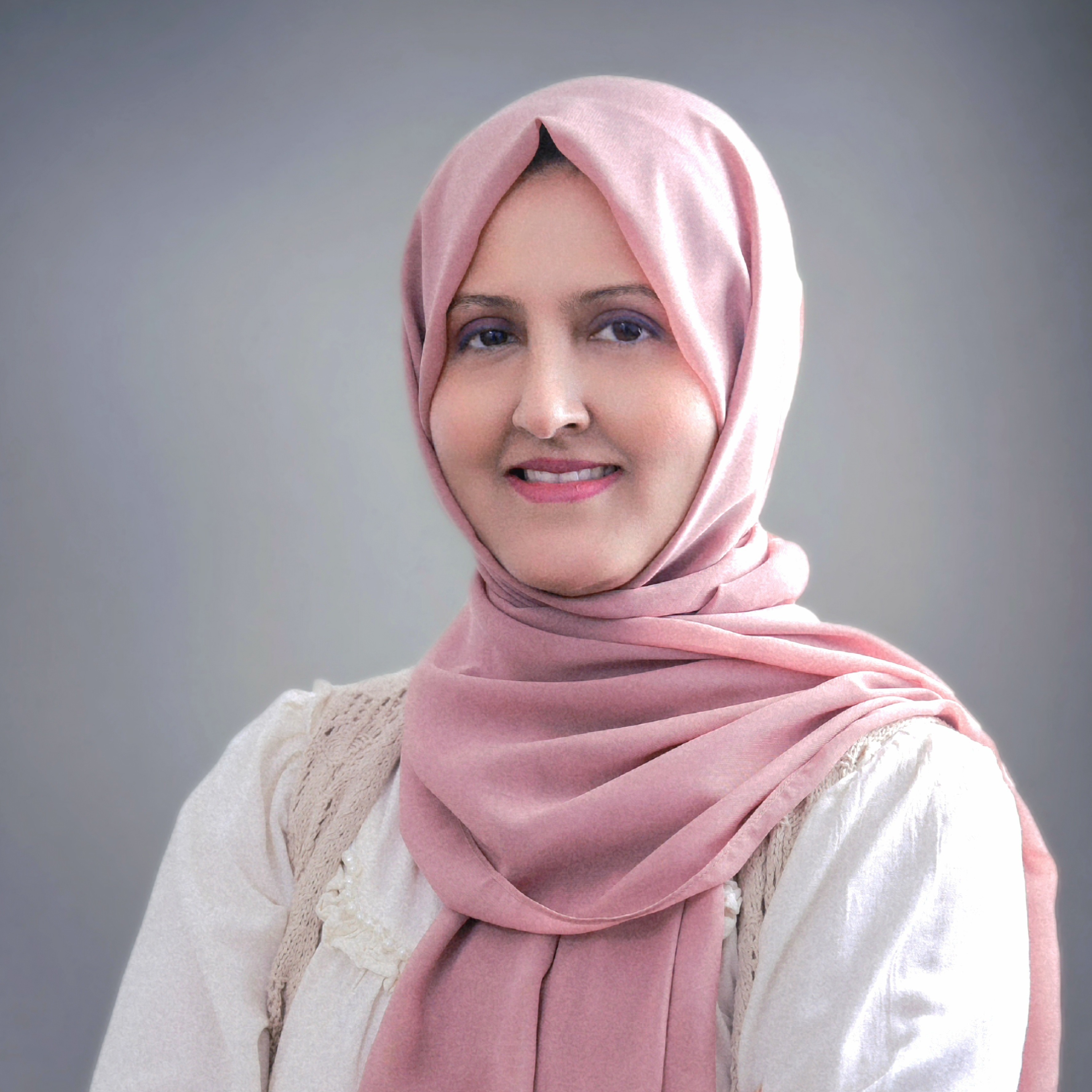






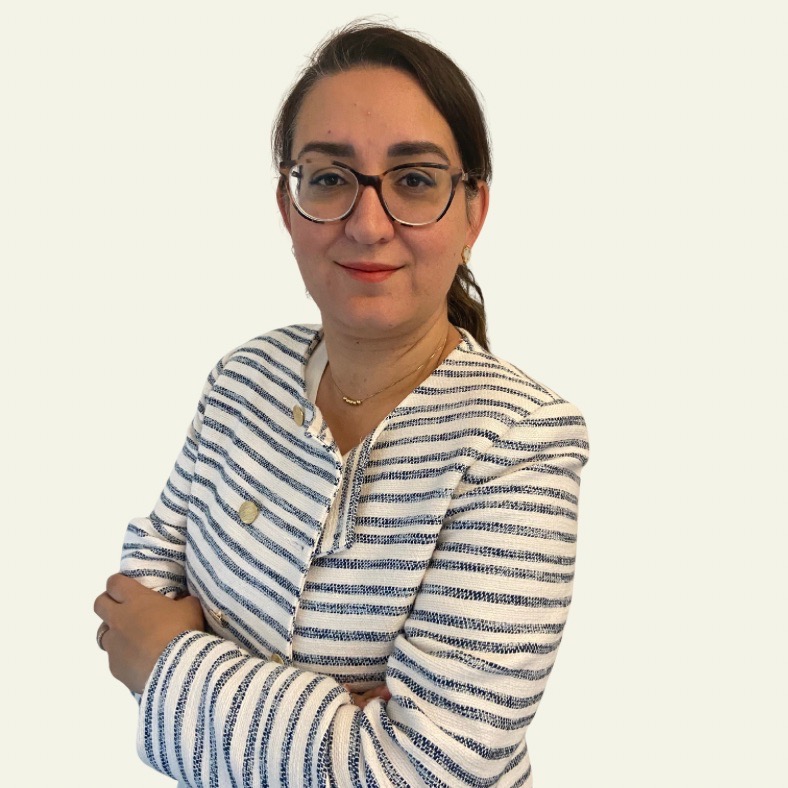
Monika Hadisfar
Accredited Counsellor
Areas of support and approaches
A therapist directory and platform to help you filter and explore independent therapists and counsellors by location, language, cultural background and more.
Culturally responsive therapy describes how a therapist works, not a single method. They combine their clinical training with attention to how culture, identity, values and social environment shape your distress, coping and sense of what helps. This can include race, ethnicity, religion or no faith, gender, sexual orientation, disability, socioeconomic status, migration and language.
You may also see it called culturally responsive counselling. Your therapist doesn't need to share your background to work this way, and sharing it doesn't guarantee they will. You can choose someone who shares part of your background (by using the "background" filter or selecting therapists who show a religious affiliation tag on their profile) or someone outside your community. Both are valid.
Culturally responsive therapy is especially valuable if you feel that your background or identity is an important part of your experience, or if past therapy felt insensitive to your culture. For example, you might want a therapist who understands: racism or discrimination you’ve faced; cultural expectations about roles (e.g. family duties); the impact of immigration, war or trauma in your community; or how religion/spirituality influences your life. In general, any client can benefit from a therapist who is open to discussing cultural factors.
At the first meeting, the therapist may ask about your background, not only “Where are you from?” but also what cultural traditions, beliefs or languages are important to you. Therapy then proceeds normally but with these considerations in mind. The therapist might: use examples or metaphors from your culture; respect cultural norms around communication (e.g. directness, formality); and be alert to ways their own culture differs from yours. They should also be willing to learn from you.
Culturally responsive therapy often involves addressing systemic issues like discrimination or acculturation stress. The therapist and client can explore how cultural factors contribute to stress or resilience. For instance, community support, family expectations or faith practices might be woven into the therapy plan. There is no single “cultural adaptation”; it’s a flexible, respectful stance.
On Thera you can search for therapists by language (e.g. Arabic, Spanish, Mandarin) and by mentioning cultural or faith experience in their profiles. You might also see areas of support and approaches like “Cultural adjustments & belonging,” "Life transitions and adjustments", "Expat life", "Family expectations & boundaries", "Migration & adjustment", "Cross-cultural relationships". "Islamic-integrated counselling", or “LGBTQI+”. These filters refer to the therapist's competence, not shared identity. Religious affiliation tags such as Islam, or Christianity on the therapist's profile, and the "Background" filter refer to the therapist's identity. When reviewing a therapist’s profile, also note whether they mention multicultural competence or specific cultural communities they understand. You can also write in a message or during an initial chat about what cultural factors are relevant to you and ask how they would address those. For example, you might ask, “How have you worked with clients from [my cultural group]?” or “Do you incorporate faith into therapy if I want that?”
Remember that having a shared background can help with understanding, but it doesn’t guarantee a perfect fit. Every therapist is an individual, so focus on their openness and sensitivity. Also ensure that any therapist you consider is licensed to practice where you are.
Monika Hadisfar
Accredited Counsellor
Areas of support and approaches
Catherine Njenga
Licensed Psychologist
Areas of support and approaches
Fatima Altaf
Licensed Psychologist
Areas of support and approaches
Amany Gazalla
Licensed Clinical Psychologist
Areas of support and approaches
Laimary Linares
Psicóloga Licenciada
Areas of support and approaches
Steven Mackenzie Vilar
Licensed Clinical Psychologist
Areas of support and approaches
Tell us what you’re looking for. Our matching team can help you explore your options.
If you’re exploring culturally-responsive therapy, other therapy options and areas of support may be relevant to you.
Answers to common questions about attending culturally-responsive therapy
A culturally responsive therapist asks questions and learns about your experience instead of relying on assumptions. You can bring up cultural topics yourself, and ask how they work with cultural differences. If you feel stereotyped, you can say so. A culturally-responsive therapist will listen and adjust.
Yes. Use the "background" filter on the therapist directory, and check each profile for religious affiliation tags such as Islam, Hinduism or Christianity. Therapists choose which details to share, so a profile may not list everything. Therapists choose which details to share, so a profile may not list everything. Ask about relevant experience as well as identity, because a shared background does not guarantee a good fit.
Yes. Therapy can help you process experiences of racism or prejudice. A culturally aware therapist understands that these experiences can deeply affect your mental health, for example through anger, anxiety or mistrust. They can help you build coping strategies and, where relevant, point you to community or advocacy resources.
Note: If you are facing harassment, threats or violence, or you are in immediate danger, contact local emergency services. Therapy is not a substitute for safety or legal support. See our Emergency Resources for more help.
Yes. Use the “background” filter and religious affiliation tags on profiles to explore shared identity. To include faith in therapy, also look at areas of support and approaches, such as Islamic-integrated counselling. Shared faith alone does not establish competence: ask about relevant qualifications, training and how the therapist integrates faith with evidence-based care. Faith should be included only with your consent.
Yes. Professional bodies, including the American Psychological Association, set guidelines on working with cultural diversity and encourage ongoing learning. Therapists can take courses or supervised training in multicultural practice, and some specialise further. However, training is not the same as responsiveness. Cultural competence is about knowledge and skills. Cultural responsiveness is how a therapist uses them with you in practice: asking about your experience, not assuming, and adapting as they learn. Ask about both their training and how they work with clients from your community.
Yes, if they are culturally responsive. Many therapists are skilled at working cross-culturally. Research actually suggests that empathy and understanding are more important than shared identity in therapy. However, if you feel more comfortable with a therapist who shares your culture, that option exists on Thera: use the "Background" filter, or notice the religious affiliation tags on a therapist's profile such as Islam, Hinduism, Christianity.
Some orientation is helpful. At first, you can tell them things like your religion, family traditions or any cultural stressors (immigration, discrimination if relevant) that matter. This can be part of helping them “tune in” to your perspective. A culturally responsive therapist won’t expect you to teach them everything; they should listen and ask respectfully.
Yes. Studies have found that adapting therapy to a client’s culture often improves engagement and outcomes. For example, cognitive-behavioural therapy adapted for specific cultural groups (e.g. for South Asian women with postpartum depression) showed better results than standard therapy. The bottom line: addressing your culture can be an important part of therapy.
Create a free Thera account and browse the directory. Filter by language, and look at areas of support and approaches such as “Cultural adjustments & belonging”, “Migration & adjustment”, “Expat life” or “Islamic-integrated counselling”. These show a therapist's competence. The “Background” filter and religious affiliation tags show their identity. Check profiles for multicultural experience, then book through the profile of the therapist you choose.
Session fees vary by therapist. On Thera, session rates range roughly from USD 47 to 170. Each therapist sets their own rate (shown on their profile) and that is the amount you will pay at booking. We charge no extra fee to you for using the platform; creating an account and browsing is free. Contacting our team to get help choosing a therapist is also free.
Discrimination is unacceptable. If you experience discrimination with a therapist on Thera, you can end the session, and report what happened to Thera’s support team immediately. You do not have to confront the therapist directly.
If you are in immediate danger, have seriously harmed yourself, or think you may act on thoughts of harming yourself or someone else, contact emergency services where you are, or go to the nearest emergency department if you can do so safely. For urgent support without immediate danger, contact a local crisis or urgent mental health service. If possible and safe, ask someone you trust to help you access support. Alternatively, consult these Emergency Resources. .
Thera is a technology platform that connects clients with independent mental health professionals. We do not provide emergency care or crisis intervention. In immediate danger or crisis, contact local emergency services, or visit these resources.