








Monika Hadisfar
Accredited Counsellor
Areas of support and approaches
A therapist directory and platform to help you filter and explore independent therapists and counsellors by location, language, cultural background and more.
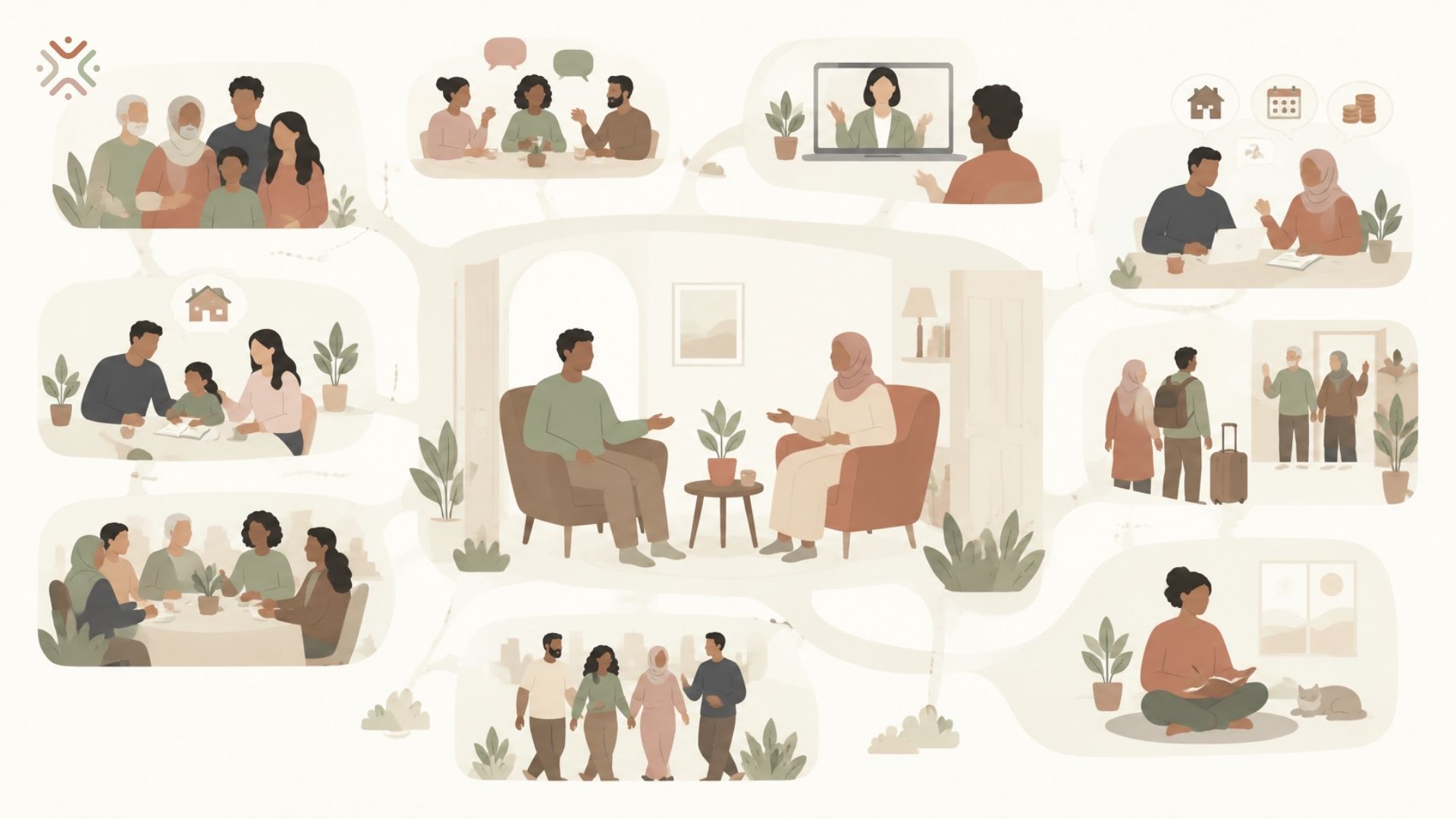
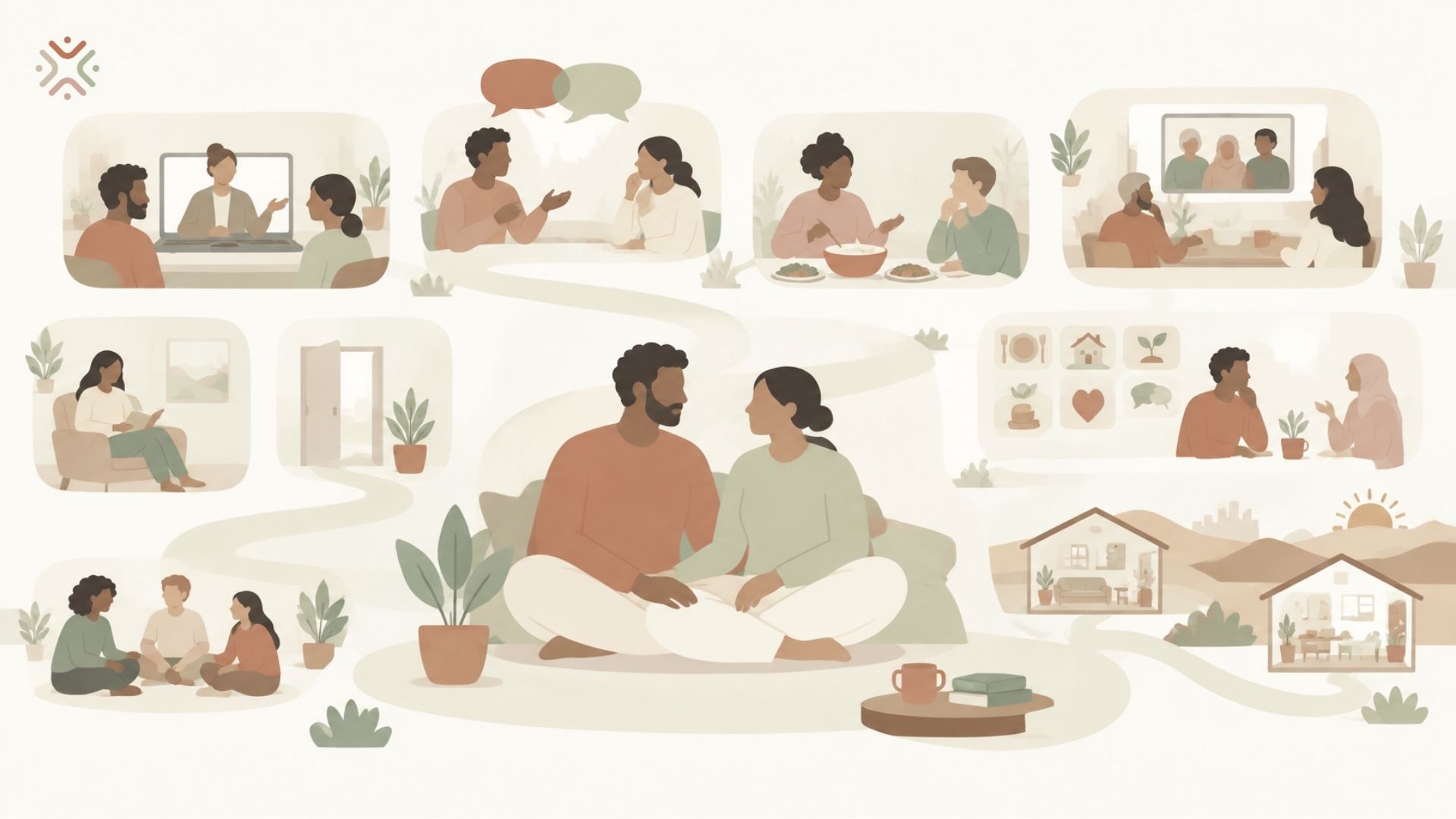
Individual therapy (also called counselling or psychotherapy) means meeting one-to-one with a therapist (online or in person) to explore concerns affecting your mental health, relationships or daily life. Together you agree what you want help with and an approach that suits you. This often involves identifying unhelpful patterns of thought or behaviour, building coping skills and working towards changes that matter to you. Sessions are private, just you and the therapist, so you do not need a diagnosis to start therapy.
You don’t have to be in crisis to seek help. It may help if you notice that your usual ways of coping are not working. For example, therapy can be useful when:
Individual therapy can address many concerns, including: anxiety and depression; stress and burnout; grief and loss; trauma or PTSD, relationship challenges; life transitions (career changes, retirement, identity issues); or substance use concerns. (If you consider reducing alcohol or drug use, remember that some withdrawals can be medically risky; speak to a doctor before stopping certain medicines or alcohol suddenly.)
Therapy can be part of care, but some situations need medical attention first. See a doctor or emergency help if: you have thoughts of suicide or self-harm, feel unable to keep yourself safe, hear or see things others don’t (possible psychosis), have days of unusually high energy with little sleep and risky behaviour, or are unable to look after basic needs (eat, drink, sleep, hygiene). Also seek medical advice if you have persistent physical symptoms (e.g. chest pain, palpitations or unexplained weight loss). Thera is not an emergency service. If you are in immediate danger or crisis, call local emergency services or use our Emergency Resources instead.
In the first sessions your therapist will ask about what’s been happening, how it affects you and what you’d like to change. They will explain how sessions work (including confidentiality and its limits) and agree how to handle any technical issues or urgent problems. Together you’ll set goals and choose an approach (CBT, psychodynamic, humanistic, integrative, etc). Depending on the method, therapy might involve understanding patterns, practising new skills or coping strategies, processing past experiences or making decisions. Sessions are scheduled by mutual agreement; the frequency (weekly, fortnightly, etc) and total course of therapy are reviewed as you go. Therapy can sometimes feel difficult (for example, talking about painful feelings or doing homework exercises), and the timing for change differs for everyone. If something doesn’t feel right or isn’t helping, talk to your therapist. They may adjust the approach, suggest trying another practitioner, or recommend additional support. For online sessions, find a private, quiet space and check your internet connection beforehand.
Thera connects you with independent qualified therapists and counsellors offering online sessions. You can browse therapists’ profiles (qualifications, languages, fees, and areas of expertise) and choose one who feels right for you. Creating an account is free. You can fill in an optional questionnaire to get suggested matches, search the directory yourself, or ask our team for help. You may request therapists with certain language skills, cultural backgrounds or lived experience, but note that availability depends on practitioners’ choices and schedules – and sharing a background doesn’t guarantee a good fit. Before booking, check the therapist’s qualifications and experience, make sure they are licensed or certified to provide care where you live, and ask how they approach your particular needs. Remember that Thera is for adults aged 18 and over only; all participants in sessions (including for family or couples therapy) must be adults. (If you or a family member under 18 needs help, a dedicated child/adolescent service would be more appropriate.)
Monika Hadisfar
Accredited Counsellor
Areas of support and approaches
Catherine Njenga
Licensed Psychologist
Areas of support and approaches
Fatima Altaf
Licensed Psychologist
Areas of support and approaches
Luisa María Rodríguez
Psicóloga Licenciada
Areas of support and approaches
Luciana Torres
Psicóloga Licenciada
Areas of support and approaches
Sabari Vaishnavi Harigobi
Licensed Clinical Psychologist & Neuropsychologist
Areas of support and approaches
Tell us what you’re looking for. Our matching team can help you explore your options.
If you’re exploring individual therapy, other therapy options and areas of support may be relevant to you.
Answer to common question about attending individual therapy
It can help with anxiety, low mood (depression), stress, grief, relationship difficulties and major life changes (such as moving abroad). You don’t need a formal diagnosis to ask for support. Therapists have different training and expertise, so discuss your concerns with them first to see if the approach is suitable or if other support is needed.
No single approach suits everyone. Research suggests that several therapies can be effective (e.g. CBT, interpersonal, psychodynamic). Guidelines often favour specific methods for certain problems. For example, cognitive therapy for social anxiety disorder typically runs 14–16 sessions, and trauma-focused treatments for PTSD (like trauma-focused CBT or EMDR) often involve around a dozen sessions. Think about what you want help with and what feels comfortable. Ask a prospective therapist how they work, what training they have, and what their sessions would involve.
This is agreed with you and your therapist. Many people start with weekly sessions, and your therapist should review progress with you. Short-term therapy models sometimes use a fixed course; for example, UK therapists often define brief therapy as 6–12 sessions, and NHS guidance for depression suggests CBT courses of about 8–16 sessions. However, each case is different, and some people continue longer or return to therapy later as needed. Ask your therapist about expected frequency and likely duration before you begin.
For many people, online therapy works well. Studies of internet-delivered treatments for depression and anxiety are encouraging. Live video sessions generally show outcomes similar to face-to-face in many groups, though the evidence is still growing, especially for some populations like older adults. Online therapy may not suit everyone (for example, people needing very intense in-person care or who lack privacy at home). Your therapist should discuss whether online sessions are right for you.
Yes. On Thera you can search for therapists who offer sessions in your preferred language. Each therapist’s profile lists languages spoken. Availability depends on where the therapist is licensed to practise, so confirm they can provide services in your current location. Always ask before booking.
Yes. Thera’s directory includes independent therapists who list LGBTQI+ support among their areas of experience. You can find them by visiting Find a Therapist and selecting “LGBTQI+” under Areas of support and approaches. Take a look at individual profiles to learn about each therapist’s experience, training and approach. You can also request a free discovery call to discuss whether they are the right fit for you. If you’re not sure where to start, contact the Thera team and we’ll help you explore your options.
Yes. Thera is for adults of all ages (18+). Many therapists work with older adults on anxiety, depression, grief, and life transitions. Be sure you’re comfortable with an online format; discuss any vision, hearing or mobility needs (for example, larger text or longer breaks) with your therapist. If you’ve had memory concerns, also see a doctor for assessment.
Create a free account on Thera, browse therapists or use our matching questionnaire to get suggestions, and then book an appointment through a therapist’s profile. You can message a therapist or contact our support team if you’d like help choosing.
Yes. Information you share with a Thera therapist is private and will not be disclosed without your permission, except in rare legally defined cases. Therapists on Thera agree to follow professional confidentiality rules. (Read more in our Privacy Policy.) However, there are legal and ethical limits. A therapist may need to break confidentiality to prevent serious harm (for example, if there is an immediate risk of suicide, violence or abuse). They should share only essential information and usually tell you if they must do so. The exact rules vary by country and profession, so feel free to ask your therapist to explain confidentiality before you begin.
Session fees vary by therapist. On Thera, session rates range roughly from USD 47 to 170. Each therapist sets their own rate (shown on their profile) and that is the amount you will pay at booking. We charge no extra fee to you for using the platform; creating an account and browsing is free. Contacting our team to get help choosing a therapist is also free.
Thera is a technology platform that connects clients with independent mental health professionals. We do not provide emergency care or crisis intervention. In immediate danger or crisis, contact local emergency services, or visit these resources.